September 14, 2026
Industrial and commercial projects demand finishes that can withstand harsh environments, heavy usage, and the test of time. For decades, conventional wet applications were the standard choice for manufacturing, automotive parts, and custom metalwork. However, modern engineering has paved the way for more robust, efficient, and eco-friendly solutions. Manufacturers and consumers alike are increasingly abandoning outdated methods in favor of advanced dry finishing technologies. By eliminating the liquid carrier required in conventional paints, this innovative process provides a thicker, more resilient layer of protection. When it comes to protecting metal surfaces, powder coating outshines the competition in almost every measurable category. This article explores the numerous advantages of this dry application method, detailing exactly why it has become the gold standard for protecting and beautifying metal surfaces across a vast array of global industries.
Innovative Application Process
To truly appreciate the benefits of this modern finishing technique, one must first understand how it differs mechanically from brushing or spraying wet paint. The procedure is broken down into distinct and highly controlled phases: surface preparation, material application, and thermal curing.
First, the raw metal substrate must be meticulously cleaned and treated. This pre-treatment phase often involves abrasive blasting, degreasing, and chemical etching to remove any scale, rust, dirt, or old finishes. A pristine surface is absolutely critical because it ensures maximum adhesion for the subsequent layers.
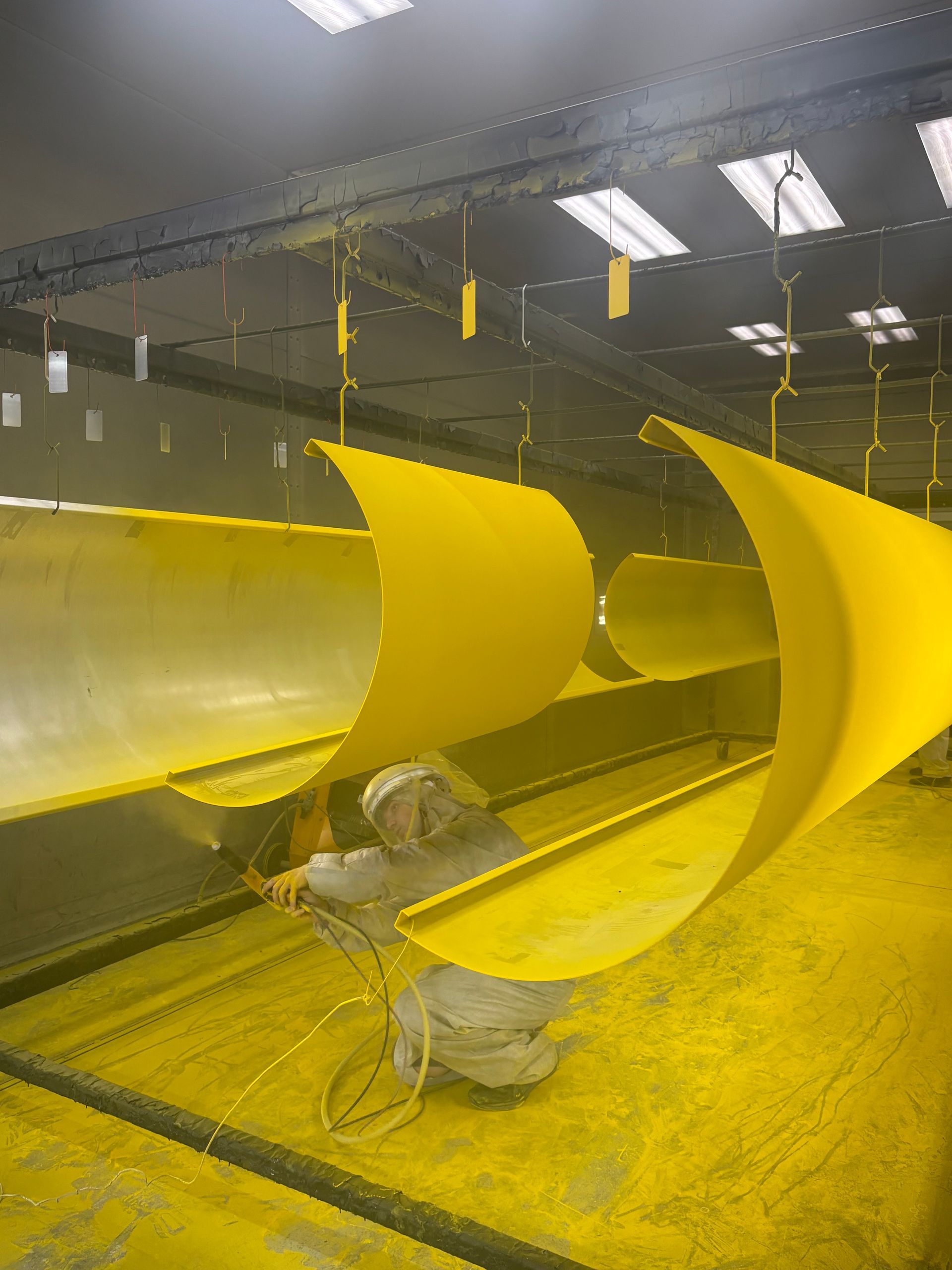
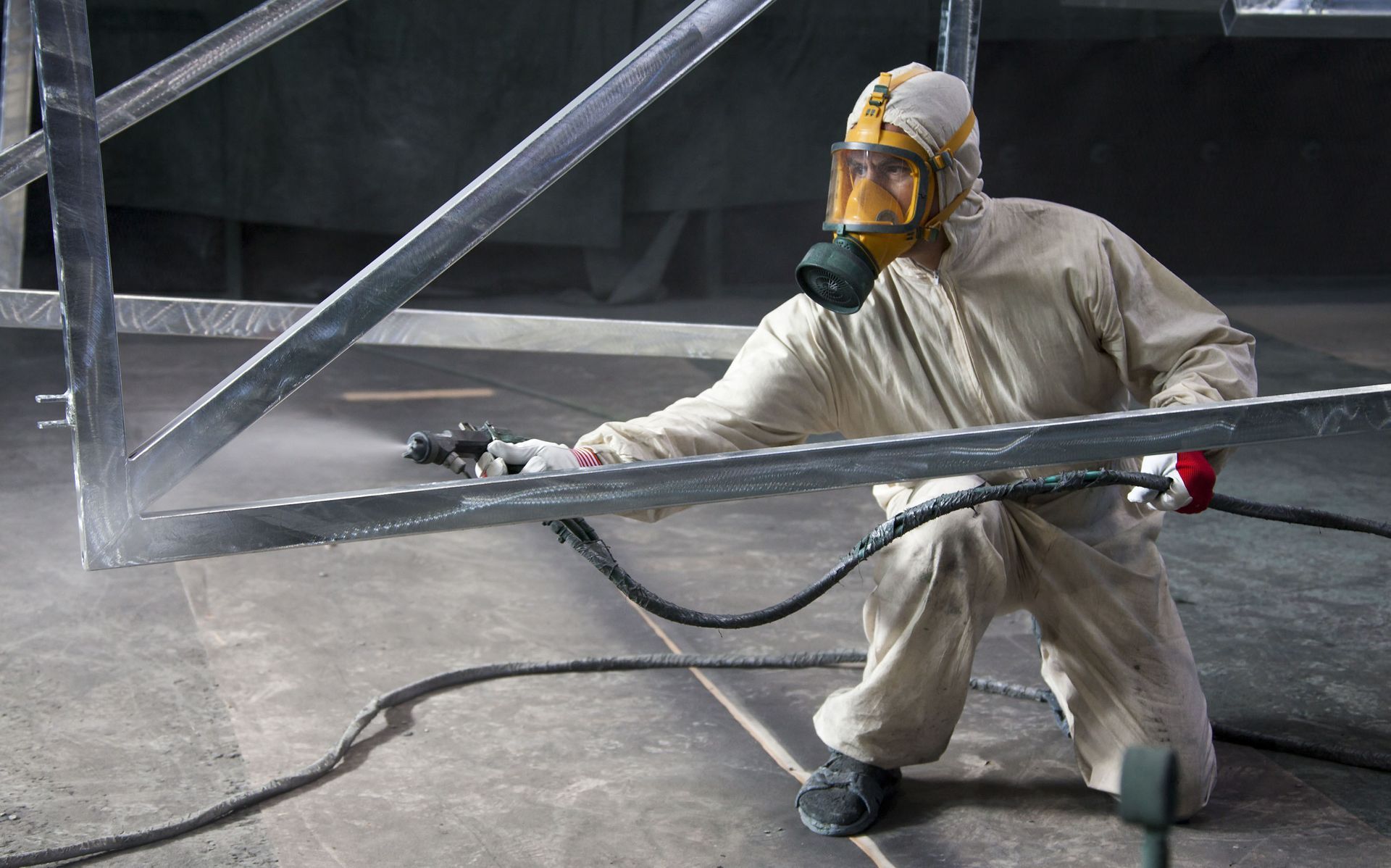
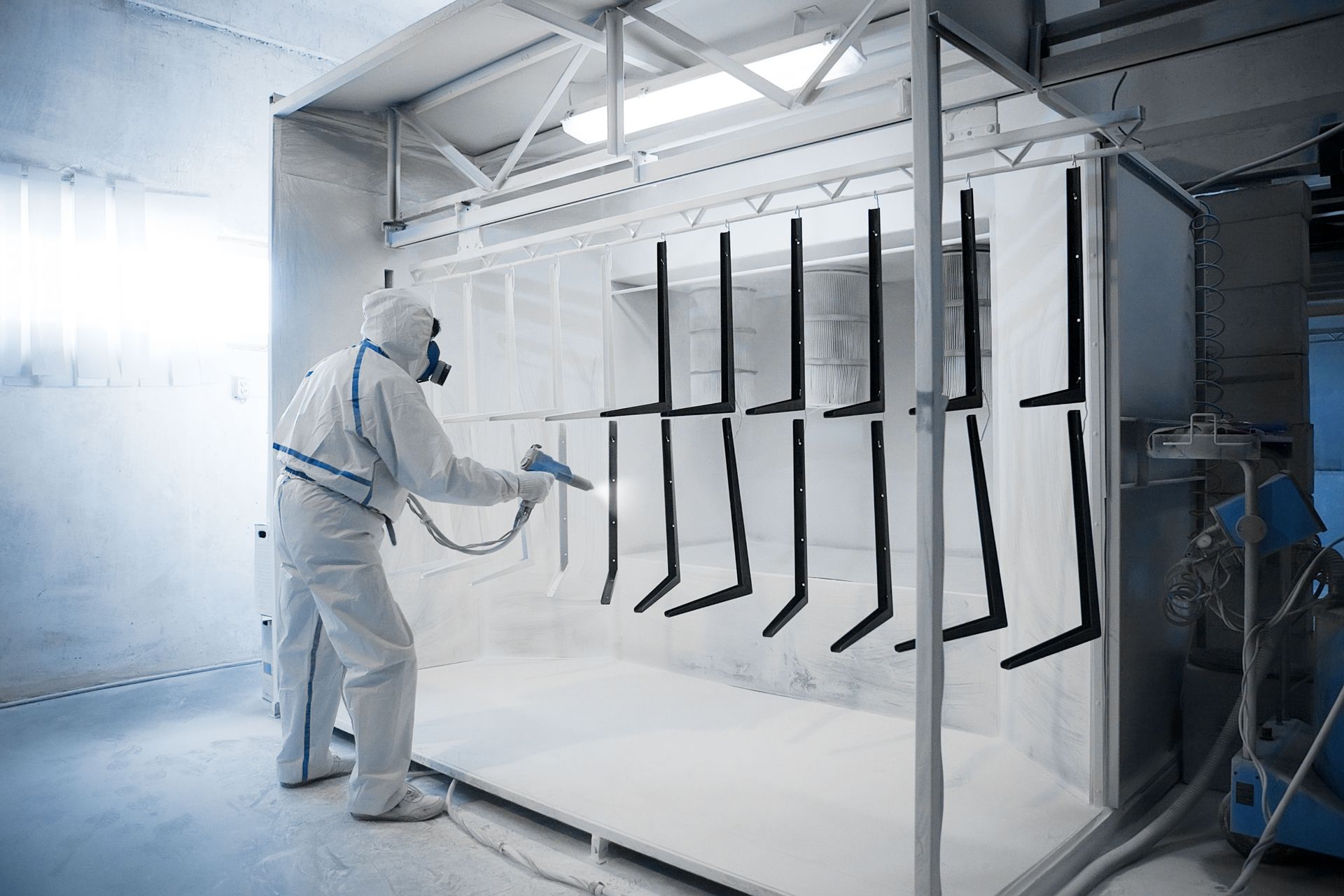
Once the metal is perfectly bare and clean, the dry polymer resin is applied. Instead of relying on a liquid solvent to carry the pigment, the operator uses a specialized electrostatic spray gun. This device imparts a positive electrical charge to the dry particles as they are expelled. The metal part being treated is grounded, creating a powerful magnetic attraction. The positively charged particles are drawn instantly to the grounded metal, wrapping around the object and adhering evenly to every surface, including deep crevices and hidden angles.
Finally, the coated item is carefully transported into a high-temperature curing oven. Subjected to sustained heat, the dry particles melt, flow together, and undergo a chemical cross-linking reaction. This complex thermal bonding fuses the material into a smooth, continuous, and impenetrable shell.
Unmatched Physical Durability
When a product is exposed to the elements, mechanical stress, or chemical spills, a standard liquid finish quickly deteriorates. Liquid paint sits on top of the metal, making it highly susceptible to scratching, flaking, and eventual structural decay through rust. Unlike conventional wet solutions, powder coating creates a molecular bond that integrates with the substrate itself, resulting in a finish that is remarkably tough.
Because of this thermal cross-linking, the resulting surface exhibits extraordinary resistance to chipping, scratching, and fading. Industrial machinery, automotive frames, and outdoor architectural fixtures treated with this technique can withstand severe impacts and continuous abrasion without exposing the underlying bare metal. Standard wet paint simply cannot match this level of kinetic resistance; a dropped wrench or a flying piece of gravel that would normally shatter a wet-painted surface will simply bounce off a properly cured dry polymer shell.
Furthermore, the specialized resins offer exceptional defense against ultraviolet rays and corrosive moisture. Whether equipment is stationed near a salty coast or under the desert sun, the protective layer remains entirely free from the peeling that plagues conventional paint jobs. This extreme resilience makes it the undisputed choice for heavy-duty applications where structural failure or aesthetic degradation is simply not an option.
Exceptional Environmental Sustainability
One of the most significant and widely celebrated advantages of this dry finishing technique is its minimal impact on the natural environment. Traditional liquid paints are notorious for containing high levels of Volatile Organic Compounds, commonly referred to as VOCs. These harmful chemicals evaporate into the atmosphere during the drying phase, contributing to air pollution, ozone depletion, and posing significant respiratory health risks to facility operators.
In stark contrast, the dry method utilizes solid polymer resins and pigments. Because there are no liquid solvents involved in the mixture, VOC emissions are virtually nonexistent. Facilities utilizing this method are inherently safer, cleaner, and free from the hazardous fumes associated with wet paint booths.
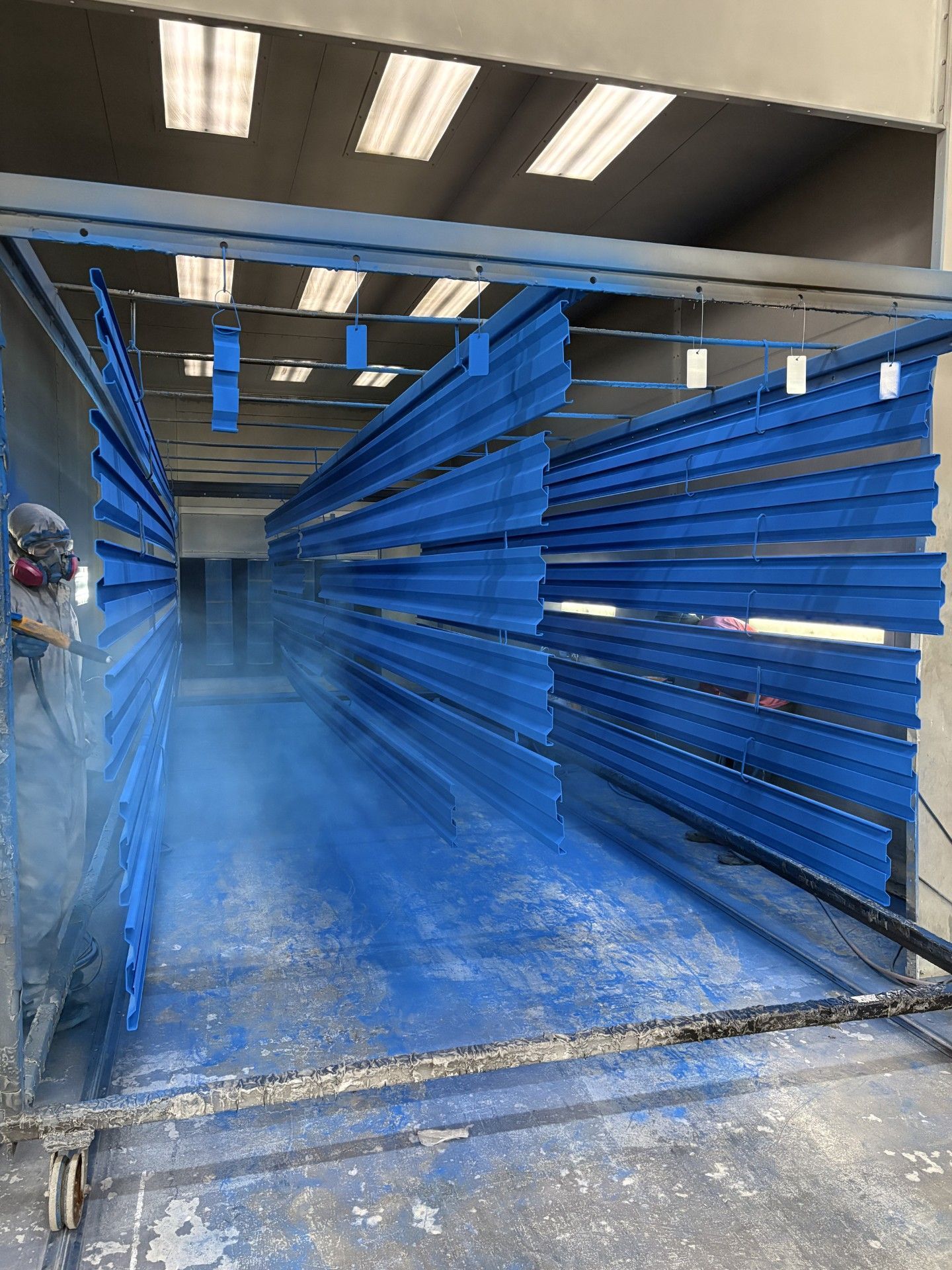
Furthermore, the application process itself is highly efficient regarding waste management. When liquid paint is sprayed, a significant portion of it is lost to the surrounding air as overspray, creating hazardous waste that must be disposed of meticulously. With the dry electrostatic method, any over-sprayed material can be easily collected through specialized filtration booths and reused in future applications. This closed-loop recovery system dramatically reduces waste, making it a sustainable option that aligns seamlessly with modern green-manufacturing initiatives and strict environmental laws.
Outstanding Economic Efficiency
Business owners and project managers are constantly searching for ways to maximize their return on investment while maintaining superior quality. While the upfront setup costs for electrostatic application equipment and high-temperature ovens might seem substantial, the long-term economic benefits are undeniable. According to the Powder Coating Institute, powder coating holds over 15% of the industrial finishing market. This massive footprint is largely driven by the sheer financial advantages it offers to both large-scale manufacturing plants and custom fabrication shops.
The secret to this economic superiority lies in the transfer efficiency. Since the reclaim systems mentioned earlier can capture unused particles, operators can achieve nearly one hundred percent utilization of their raw materials. Nothing goes to waste.
Additionally, the rapid curing times associated with this process contribute heavily to a healthier bottom line. Unlike wet paints that require hours or even days to dry completely in climate-controlled rooms, the dry polymer melts and cures rapidly within minutes. Parts are ready to be handled, assembled, packaged, and shipped the moment they return to room temperature, drastically reducing labor hours and storage overhead.
Unrivaled Aesthetic Versatility
Durability, speed, and environmental friendliness are crucial, but visual appeal remains a top priority for designers, architects, and everyday consumers. Fortunately, this solvent-free application method does not force anyone to compromise on aesthetics. The sheer variety of available colors, textures, and gloss levels is staggering. From high-gloss vibrant reds to modern matte stealth blacks, the aesthetic possibilities are virtually limitless.
Beyond standard solid colors, the dry polymer process excels at creating specialized textures that are incredibly difficult to achieve with liquid paint. Manufacturers can easily produce wrinkled finishes, vein textures, and metallic flakes that add tremendous depth and character to the final product. These textured surfaces not only look fantastic but also serve a functional purpose by hiding minor surface imperfections on the raw metal substrate. Applied electrostatically, the material wraps flawlessly around complex geometries, ensuring a uniform, drip-free thickness across intricate edges, sharp corners, and deep recesses that wet paint typically pools around or drips from.
Simplified Long-Term Maintenance
The true cost of any surface treatment includes the time, energy, and money spent maintaining it over its complete lifecycle. Liquid paints often require regular touch-ups, intensive cleaning with specialized solvents, and eventual stripping and repainting to prevent corrosion from spreading. This continuous cycle of maintenance is both labor-intensive and highly expensive.
A surface protected by an electrostatic polymer bond, however, demands almost no maintenance to retain its pristine condition. The longevity of powder coating means you will spend less time worrying about rust and more time enjoying a flawless finish. Because the cured barrier is highly resistant to chemical degradation and completely non-porous, dirt, grime, and grease cannot easily penetrate the surface layer. Routine cleaning simply requires wiping the surface down with mild soap and water. There is absolutely no need for harsh chemical cleaners, polishing compounds, or aggressive scrubbing to maintain the original luster.
Professional Finishing Services
Upgrading from traditional wet paint to a superior dry polymer finish is a strategic decision that pays massive dividends in product longevity, structural aesthetics, and overall economic performance. When you require a finish that will truly last a lifetime while protecting the environment and your bottom line, there is simply no better alternative available on the market today. Trusting a professional team ensures the pre-treatment, application, and curing phases are executed flawlessly. For all your industrial and custom metal fabrication needs, reach out to Performance Powder Coating today to experience the unparalleled difference of a professionally applied, world-class finish.