November 19, 2026
Metal structures, industrial equipment, and architectural fixtures play an essential role in residential, commercial, and manufacturing spaces. From outdoor patio furniture, perimeter fencing, and ornamental gates to automotive frames, warehouse shelving racks, and heavy machinery, metal surfaces endure constant exposure to changing weather, mechanical friction, and daily handling. Even the toughest steel, wrought iron, or aluminum components eventually show signs of wear when their protective outer layers begin to break down.
Recognizing early surface deterioration allows property owners, custom builders, and facility managers to protect structural integrity before minor blemishes turn into widespread damage. Rather than letting valuable metalwork deteriorate beyond repair or settling for short-lived brush-on touch-ups, turning to a reliable powder coating service provides a resilient, uniform finish that bonds directly to the substrate and outperforms conventional liquid paint.
1. Visible Rust and Spreading Corrosion
Rust is the clearest indicator that a metal surface has lost its protective barrier. When moisture and oxygen reach bare iron or steel through microscopic cracks, pinholes, or worn paint, oxidation begins almost immediately. Left untreated, reddish-brown spots expand outward and eat deeper into the metal, causing pitting, rough textures, and progressive structural weakening across welded joints, fasteners, and flat panels.
Simply brushing liquid paint over active rust traps residual moisture against the metal and allows corrosion to continue spreading unseen underneath the new layer. Proper restoration requires thoroughly stripping away existing oxidation down to clean, bare metal and sealing the prepared substrate with a dense, protective barrier that prevents air and water from reaching the surface again.
2. Peeling Paint and Flaking Layers
Traditional liquid paint relies on chemical solvents that evaporate as the coating dries, leaving behind a relatively thin film that can lose adhesion over time. Seasonal temperature swings, trapped humidity, and inadequate initial surface preparation often cause liquid coatings to become brittle, crack, curl, and peel away from the underlying metal in unsightly sheets or flakes.
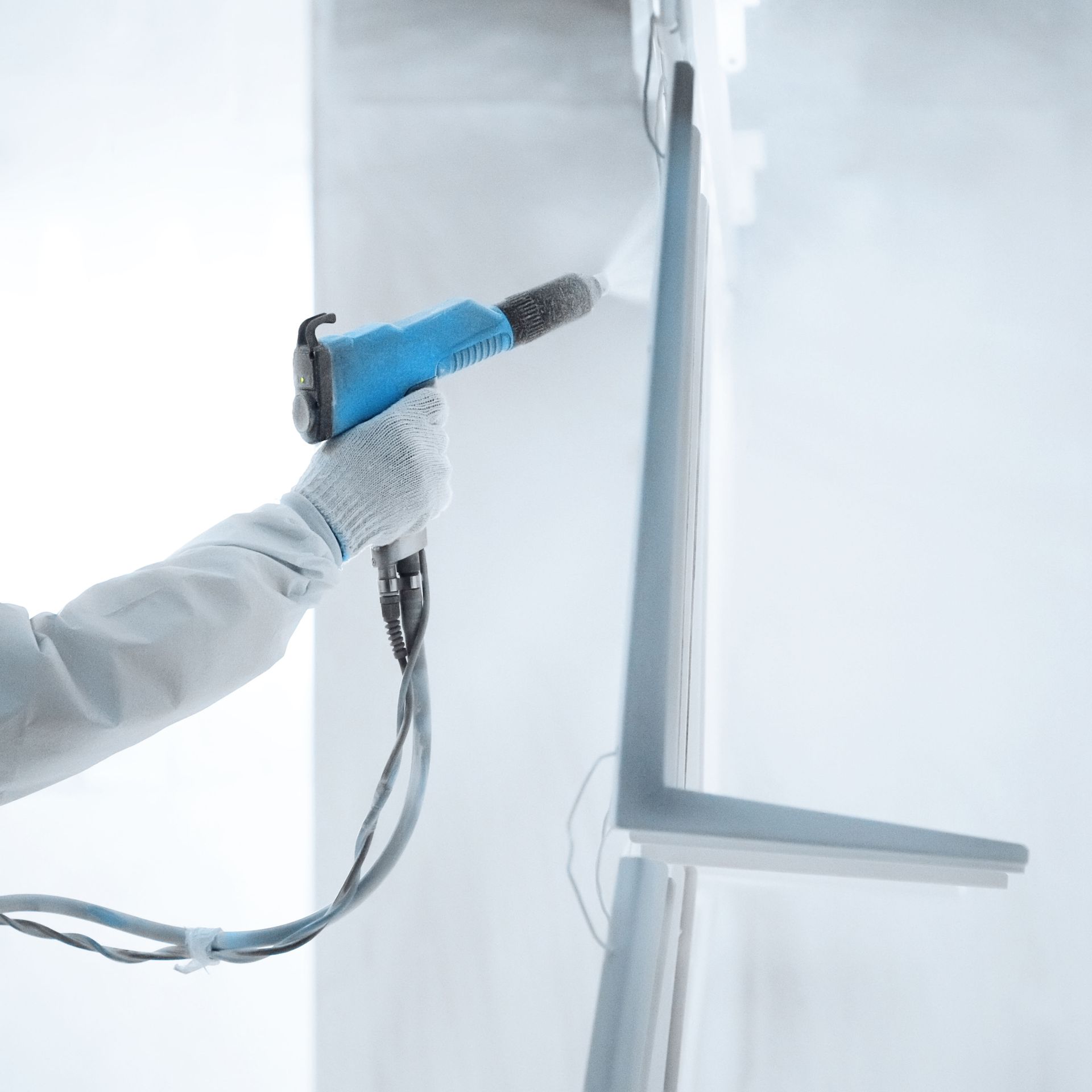
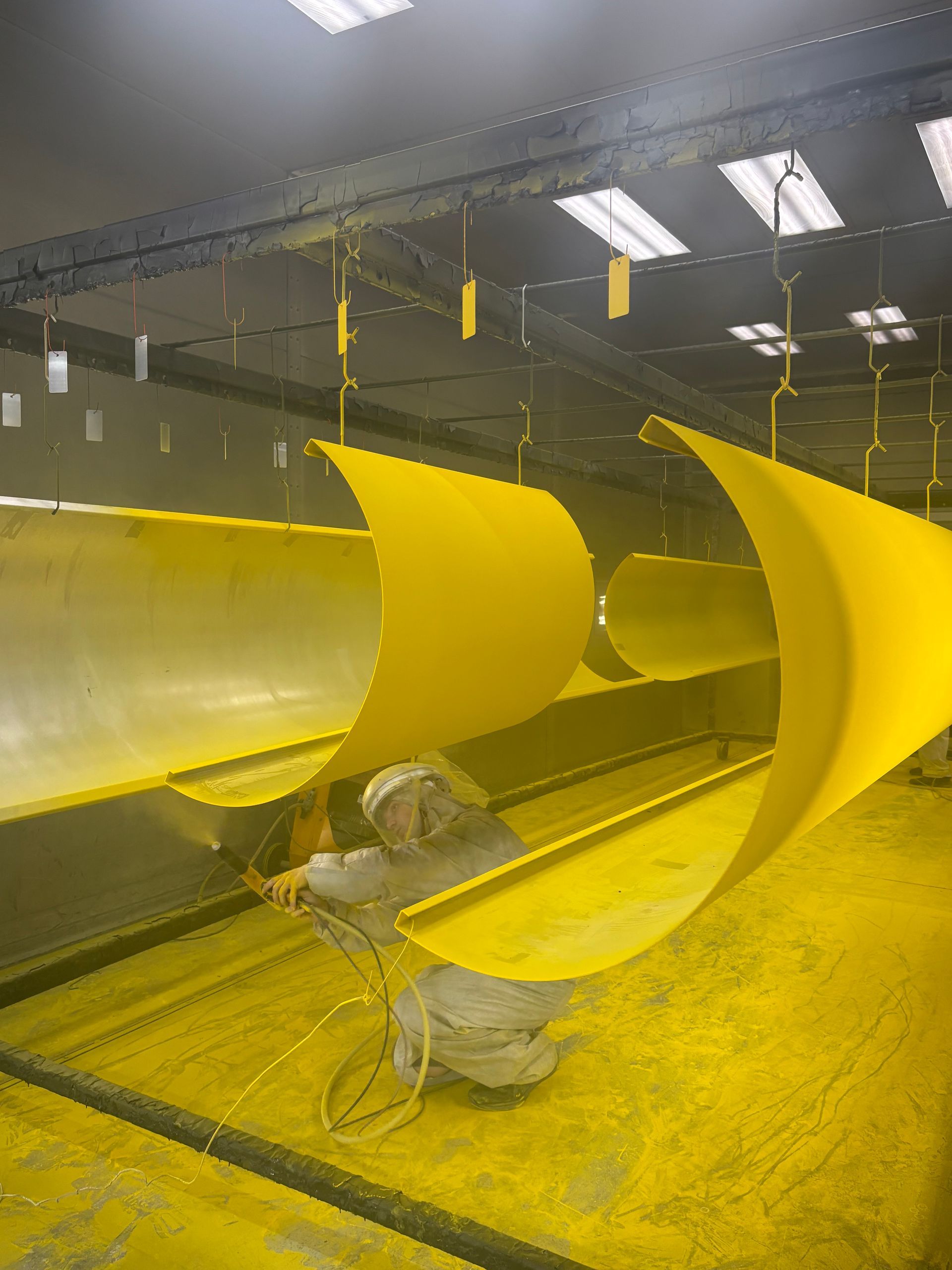
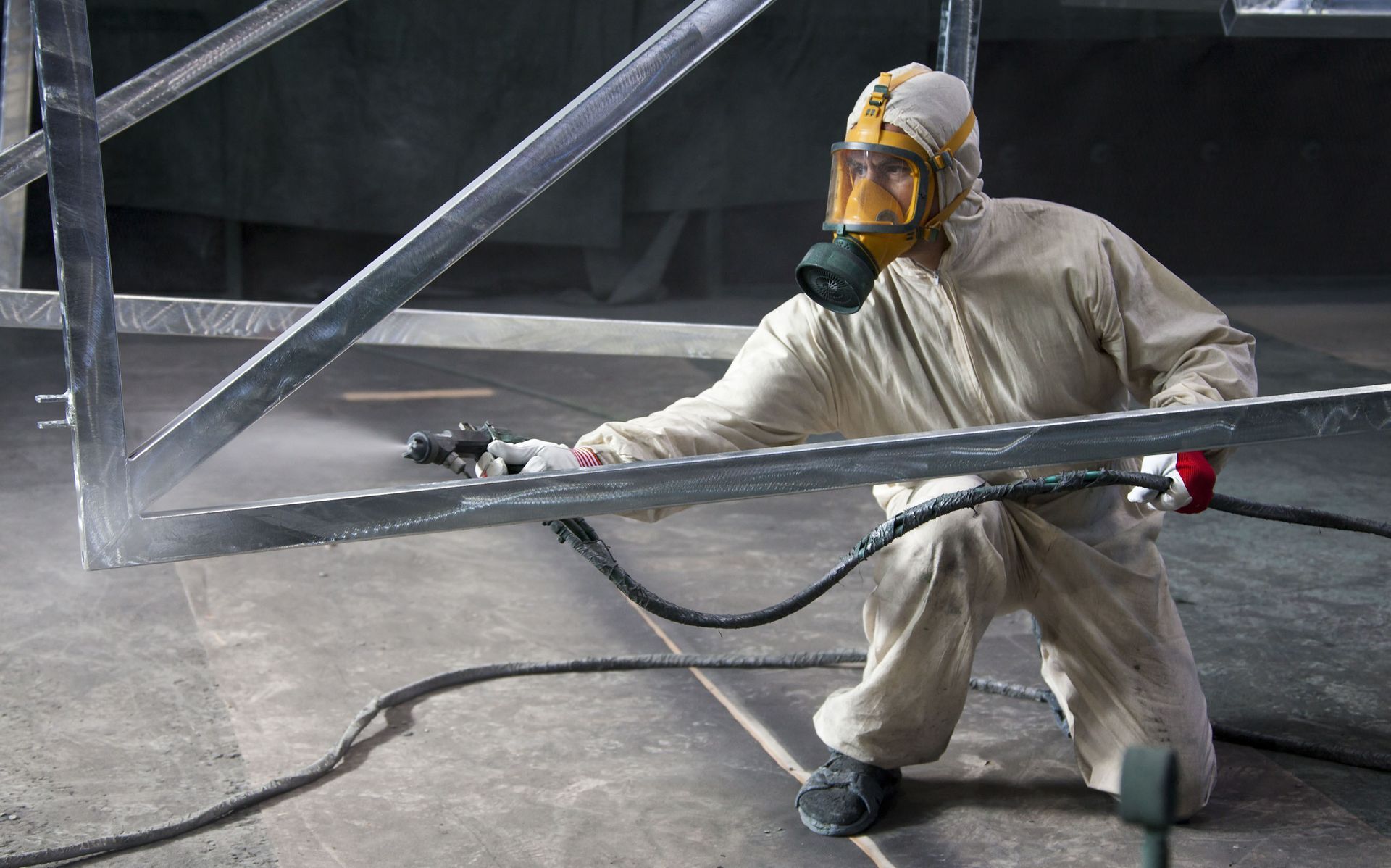
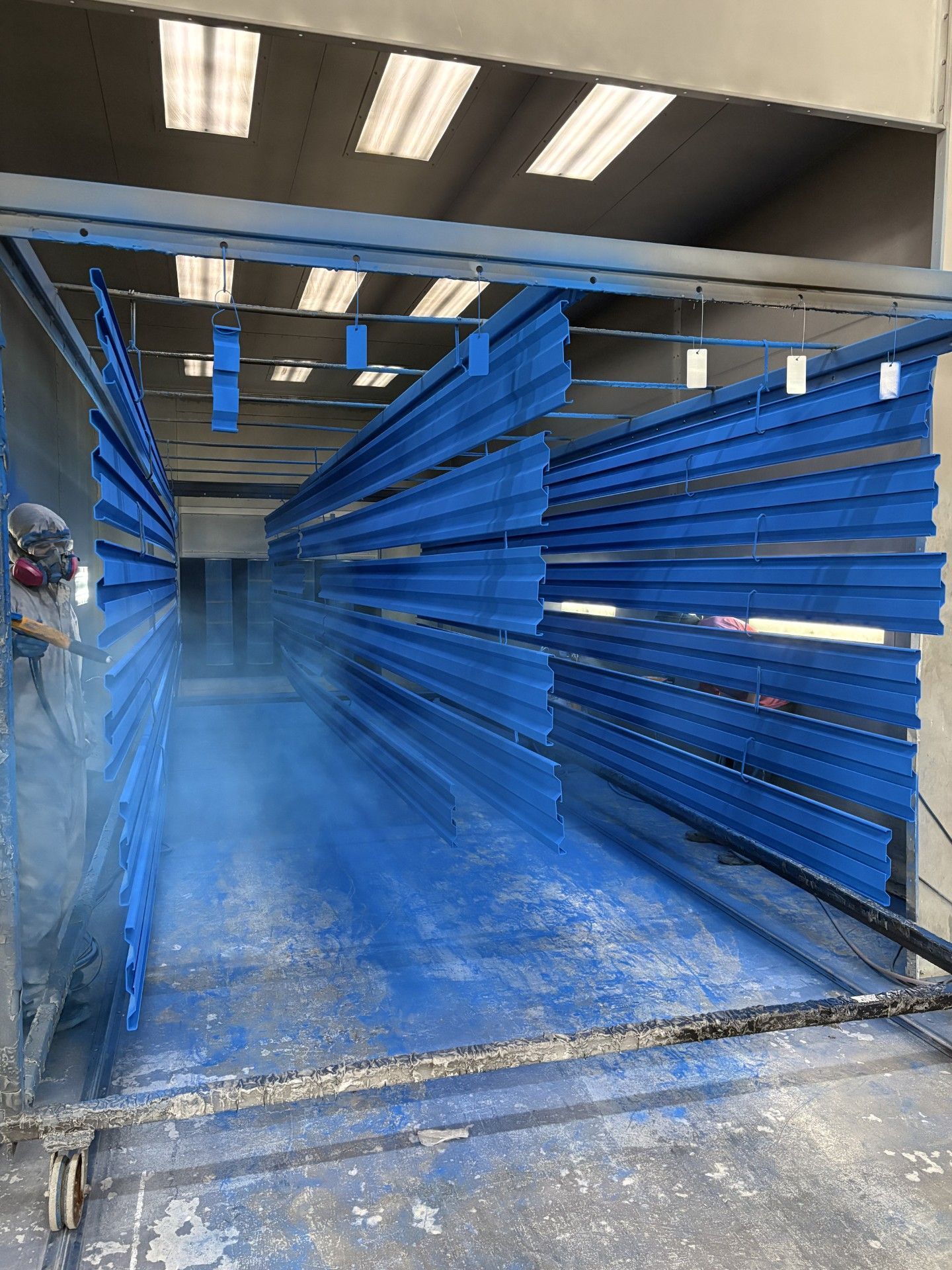
As soon as paint starts flaking off, the exposed metal beneath becomes immediately vulnerable to rapid environmental damage and uneven wear. Working with a dedicated powder coating service solves this problem by removing failing coatings and applying electrostatically charged dry polymer particles that fuse into a continuous, tightly bonded shell across every edge, corner, and recess.
3. Faded Finishes and Chalky Residue
Constant exposure to direct sunlight and ultraviolet radiation gradually breaks down the pigments and resin binders found in older paints and finishes. Over time, vibrant colors turn dull, washed out, and blotchy, while the surface develops a fine, powdery white residue known as chalking. This chalky film rubs off easily on hands, tools, and clothing, signaling that the coating has degraded at a molecular level.
Faded finishes and chalky residue do more than diminish the visual appeal of gates, railings, architectural trim, and outdoor furniture. Because ultraviolet degradation weakens the outer layer of the coating, the underlying metal loses its defense against rain, morning dew, humidity, and airborne pollutants, making timely refinishing essential for long-term preservation.
4. Frequent Scratches and Deep Chipping
Metal items subjected to regular movement, cargo loading, hand tools, road gravel, or heavy foot traffic naturally encounter bumps, scrapes, and abrasions. Standard spray paints and air-dried enamels often lack the surface hardness and flexibility needed to absorb everyday impacts without chipping, gouging, or scratching straight down to bare metal.
Thermal curing gives powder finishes superior resistance to mechanical wear and surface impact. According to MachineMfg, curing powder coatings requires baking the treated metal inside an oven at high heat, generally ranging from 325°F to 400°F. During this controlled heating stage, the melted powder cross-links into a tough, dense layer, and partnering with an established powder coating service ensures your parts receive proper curing for lasting impact protection.
5. Harsh Weather and Chemical Exposure
Metal fixtures stationed outdoors face relentless environmental challenges throughout every season of the year. Driving rain, heavy snow, high humidity, winter road salt, coastal sea air, and industrial emissions accelerate wear on unprotected or aging finishes. Even indoor equipment located in damp warehouses, washdown bays, or chemical processing areas experiences accelerated surface breakdown from airborne fumes and harsh cleaning agents.
Conventional wet paints struggle to withstand prolonged contact with corrosive moisture, industrial solvents, and fluctuating temperatures without softening, staining, or degrading. Scheduling a powder coating service shields vulnerable metal components behind a non-porous barrier engineered to resist moisture penetration, salt spray, and chemical exposure in demanding residential, commercial, and industrial environments.
6. Uneven Textures and Bubbling Surfaces
Blistering, bubbling, runs, and drips on a painted metal surface typically point to trapped moisture, surface oil contamination, or rushed application during a previous finishing job. When water vapor, trapped solvents, or air remain sealed beneath a liquid paint film, changes in ambient temperature cause those pockets to expand, pushing the coating upward into unsightly bubbles that eventually crack and rupture.
When those blisters pop, raw metal is left directly exposed to the elements while surrounding paint continues lifting away from the substrate. Choosing an experienced powder coating service ensures thorough surface degreasing, abrasive media blasting, and controlled electrostatic application, resulting in a smooth, consistent finish free from sags, drips, or trapped contaminants.
7. Worn Components and Friction Marks
Moving assemblies, mounting brackets, gate latches, handrails, automotive suspension parts, and machinery guards endure repetitive contact that gradually wears away thin surface coatings. Areas around bolts, hinges, handles, and pivot points often show bare shiny metal long before the rest of the piece looks aged, creating vulnerable weak spots where oxidation and corrosion quickly take hold.
Reinforcing high-wear metal components with a thicker, thermally cured polymer finish helps prevent routine friction marks from turning into widespread rust. Because electrostatic application wraps evenly around complex shapes, sharp edges, and tight crevices, refinished parts gain uniform coverage across the exact contact zones that endure the heaviest daily mechanical stress.
8. Outdated Colors and Tired Aesthetics
Sometimes metal pieces remain structurally solid and fully functional, yet their appearance no longer matches the surrounding space. Renovated patios, updated commercial storefronts, refreshed architectural interiors, and custom vehicle builds can make older metal fixtures look tired, dated, or mismatched, especially when existing finishes show scuffs, dullness, and uneven discoloration.
Refinishing structurally sound metalwork breathes new life into existing assets without requiring complete replacement. A versatile powder coating service offers a broad selection of colors, gloss levels, and specialty textures—from sleek matte black and satin neutrals to vibrant custom hues and metallic finishes—allowing you to modernize metal surfaces cleanly and consistently.
Ignoring early signs of rust, peeling, fading, bubbling, or surface chipping allows preventable wear to compromise both the appearance and longevity of your metal assets. Addressing these warning signs promptly with a reputable powder coating service protects your metalwork against corrosion, daily impacts, and harsh weather while delivering a clean, uniform finish across every component, fixture, and frame.
Whether you are restoring weathered outdoor furniture, updating architectural metalwork, or safeguarding heavy commercial equipment, proactive surface care preserves both structural strength and clean visual polish across every project. Choosing durable surface protection today helps keep your metal fixtures looking sharp and performing reliably season after season. If you are ready to restore and protect your metal surfaces, contact us at Performance Powder Coating today. We will help you select the ideal finish and bring lasting durability back to your metalwork.